.png)

Malawi's agriculture sector is at the centre of the country's food security, livelihoods and economic development. Yet, for the sector to respond effectively to climate change, technological transformation, changing markets and the aspirations of a growing young population, young people must be meaningfully involved in shaping its future.
It is against this background that the new YPARD Malawi team is being established by Sithembile Banda and Daniel Chibwe. They see YPARD Malawi not simply as a network, but as a platform through which young professionals can connect, learn, lead, innovate and influence the future of agriculture in Malawi and beyond. The two Co-Country Representatives come from different professional backgrounds, but share a common passion for transforming agriculture and creating opportunities for young people.

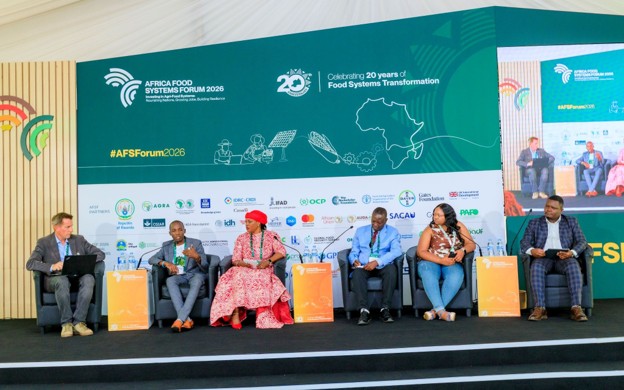
Sithembile Banda is a technologist and innovation professional focused on agrifood systems transformation and digital solutions for sustainable agriculture. Through her work in technology, project management, farmer engagement, agribusiness and youth mentorship, she has supported young people and agricultural initiatives while developing solutions that connect technology with real-world challenges in agriculture.
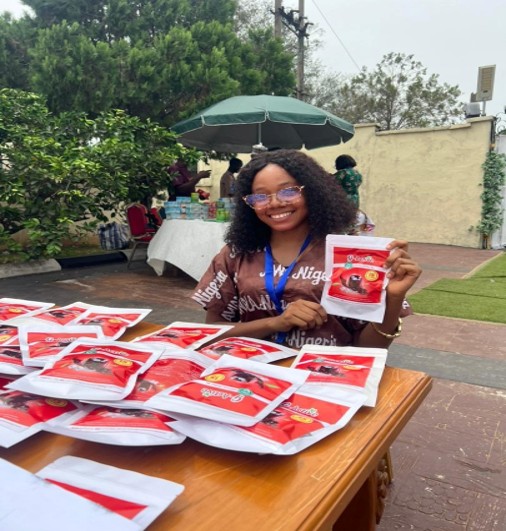
Beyond her work in technology and innovation, Sithembile is the founder of Mills Farm, an integrated agribusiness that combines poultry production with the growing of organic fruits and vegetables. Through a circular farming approach, poultry manure is repurposed as organic fertilizer, supporting sustainable crop production while reducing waste and dependence on synthetic inputs. The farm supplies fresh produce to local markets and retail outlets and actively promotes the adoption of environmentally sustainable farming practices among smallholder farmers.
As a young woman leading an agricultural enterprise, Sithembile is committed to creating opportunities for other young women within the agrifood sector. Through both her business and advocacy efforts, she promotes greater participation of women and young people in agriculture, demonstrating that farming can be a viable, innovative and impactful career path for the next generation.

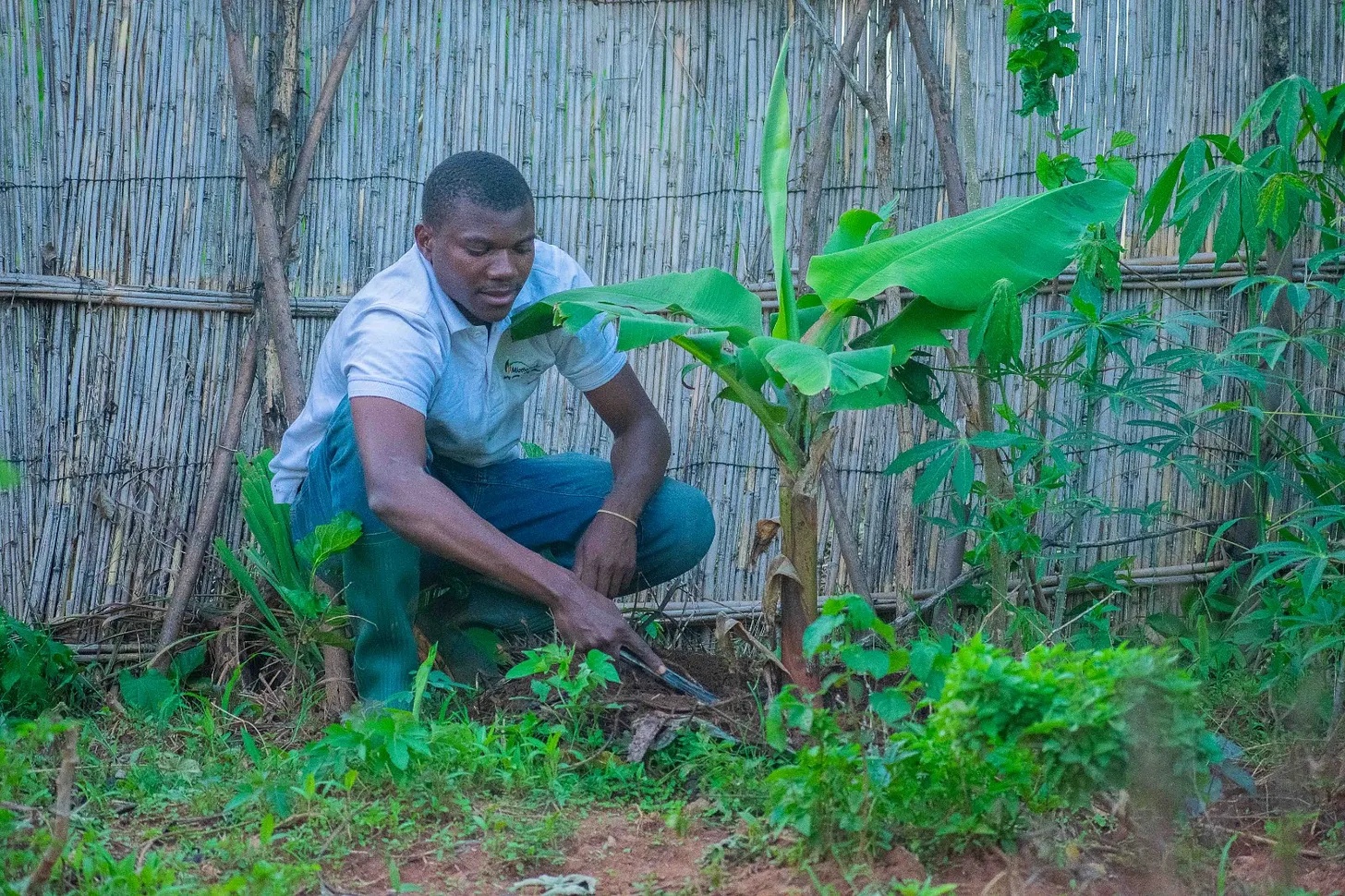
Daniel Chibwe is an agricultural extension specialist, agripreneur and youth development leader with over seven years of experience in sustainable agriculture, entrepreneurship and community development. He is the Founder and Managing Director of Mlatho Farms and Agri-learning Hub, a youth-focused social enterprise promoting climate-smart agriculture, permaculture, value addition and agribusiness development. His experience includes agricultural extension, community mobilisation, research, youth mentorship and stakeholder engagement.
Since 2024, Daniel has trained over 300 youth and rural farmers in permaculture and sustainable agriculture through Mlatho Farms and the Mlatho Agri-learning Hub. In addition, since 2025, he has mentored and supervised more than 10 university students on industrial attachment and internship from Domasi Institute of Development and Technology and the University of Livingstonia, providing practical experience in agroecology, agribusiness, and community development.
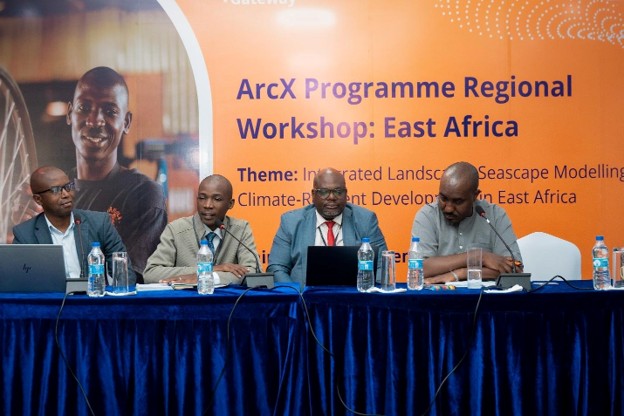
Daniel is passionate about building resilient food systems, empowering young people, and developing innovative agricultural enterprises that improve food security, create employment, and increase rural incomes across Malawi and he is serving as Mchinji District Youth Representative in the full council (2025-2030).
They would like to establish a structure that allows young people not only to participate in YPARD activities, but also to take leadership and ownership of the network. They envision appointing regional coordinators and district representatives who can connect YPARD Malawi with young professionals, farmers, agripreneurs, researchers, students and other agricultural stakeholders at local level. This decentralised approach will help ensure that YPARD Malawi does not remain concentrated in Lilongwe or other major cities. Instead, it will be built as a network that reaches the young agricultural leaders who are working in communities and districts across Malawi.
One of their priorities is to introduce YPARD to public universities across Malawi, beginning with the Lilongwe University of Agriculture and Natural Resources (LUANAR).
Universities are important spaces for nurturing the next generation of agricultural professionals, researchers, entrepreneurs and policymakers. The team would like to establish YPARD university clubs or focal points where students can connect with professionals, participate in mentorship programmes, access opportunities, engage in agricultural discussions and develop practical leadership and entrepreneurship skills.
Starting with LUANAR will provide an important foundation because of its central role in agricultural education and research in Malawi. From there, they hope to expand the network to other public universities and institutions of higher learning. This will further help to have volunteers who will help in coordinating other activities.
Sithembile and Daniel also believe that agricultural leadership should begin before university. Through partnerships with schools, they would like to introduce YPARD-inspired activities in selected secondary and primary schools, particularly around agriculture, climate action, entrepreneurship, innovation, environmental stewardship and career opportunities in the agrifood sector.
The objective is not simply to encourage young people to become farmers, but for them to understand that agriculture offers diverse career pathways in technology, research, extension, agribusiness, finance, policy, engineering, climate action, food processing, marketing and entrepreneurship. By reaching young people early, we can help change perceptions of agriculture from being viewed merely as subsistence farming to being recognised as a dynamic sector for innovation, enterprise and professional growth.
The team would like YPARD Malawi to become a platform where young professionals can discover and access opportunities for:
Strengthenning connections between young professionals and institutions already working in Malawi's agricultural sector, including government, universities, research institutions, private-sector organisations, farmer organisations and development partners would be another priority.
A major part of their vision is to ensure that the voices of young Malawians are represented in agricultural policy and decision-making.
The role-sharing approach already recognises the importance of policy engagement, advocacy, extension systems and farmer networks, while also emphasising innovation, digital agriculture, technology and agripreneurship. The hope is also to create spaces where young people can discuss challenges affecting agriculture and translate their experiences into constructive ideas and policy recommendations. At the same time, YPARD Malawi should connect young Malawians to regional, continental and global conversations on food systems and agricultural development.
Sithmbile and Daniel recognise that the success of YPARD Malawi will not depend on the two of them alone. Their role is to help create the structure, connections and opportunities through which many other young people can contribute.
They therefore envision YPARD Malawi as a collaborative community built on inclusion, transparency, accountability, learning and shared leadership. Their co-representation agreement emphasises collaboration over competition, complementarity, transparency, accountability and unity of voice.
The two of them are particularly excited about building a network in which a young agricultural student in Lilongwe, an agripreneur in Mchinji, a researcher in another district, a technology innovator in Blantyre or a young farmer in a rural community can all see themselves as part of the same national community.
The vision of the Chapter is simple but ambitious: to build a YPARD Malawi that connects young people, develops their capabilities, amplifies their voices and creates pathways for them to lead the transformation of Malawi's agrifood systems.
The team hope to build from universities to schools, from districts to regions, and from local communities to national, continental and global platforms.
As two young professionals who are themselves engaged in agribusiness and agricultural development, they understand both the opportunities and challenges facing young people in agriculture. Their experiences through agribusiness, youth networks and leadership programmes have reinforced our belief that young people should not only be beneficiaries of agricultural development—they should be co-creators, innovators, decision-makers and leaders.
"We look forward to working with YPARD members, partners, institutions and young professionals across Malawi to make this vision a reality. Together, we can build a stronger community of young agricultural professionals and contribute to a more innovative, inclusive, resilient and sustainable agrifood system for Malawi and Africa."