of position papers developed together with members, partners, and other youth networks.
for meaningful youth inclusion through local events, national & regional seminars, and international platforms.
to guide young professionals on various policy processes, public speaking, strategic communications and more.
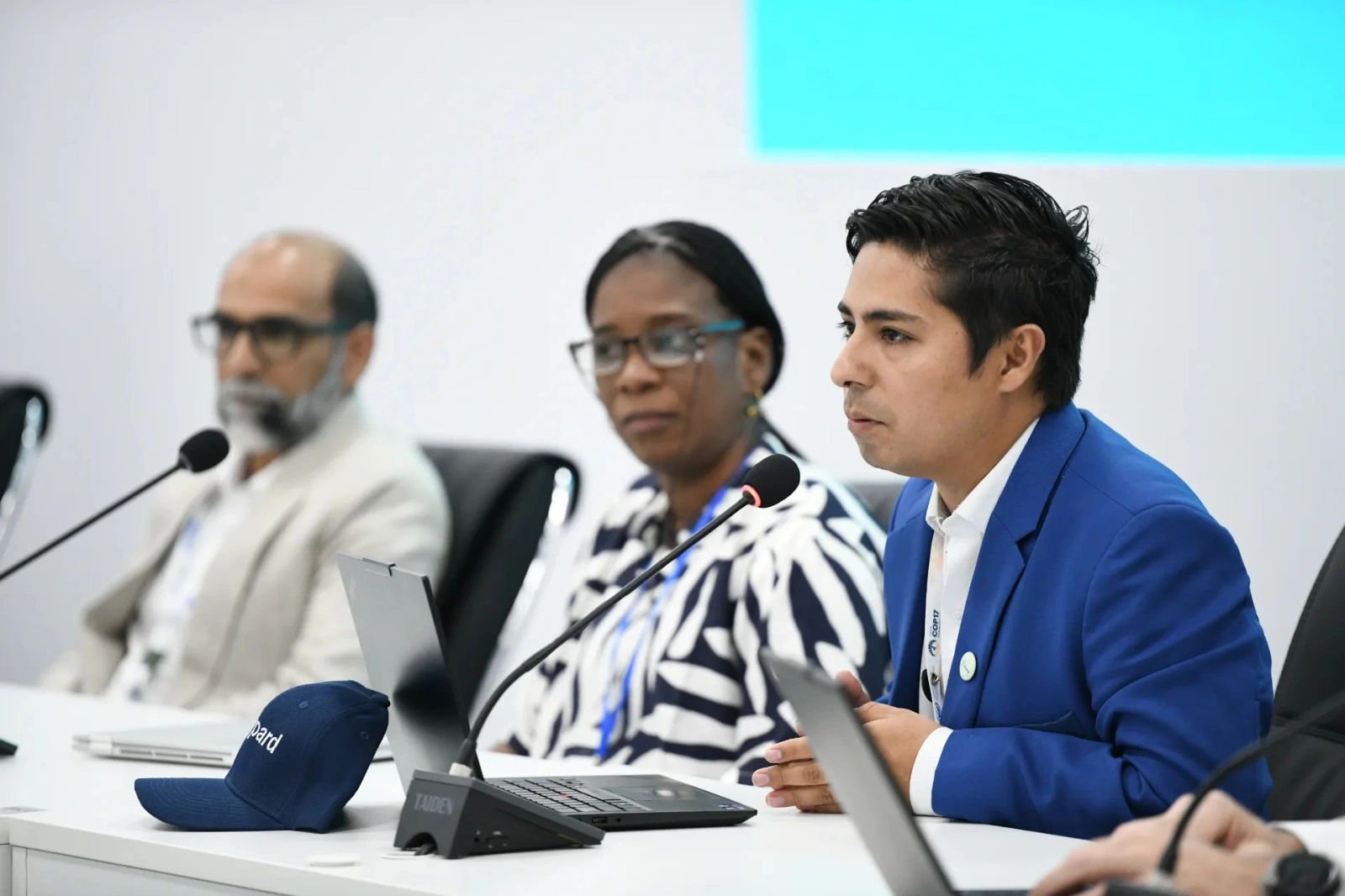
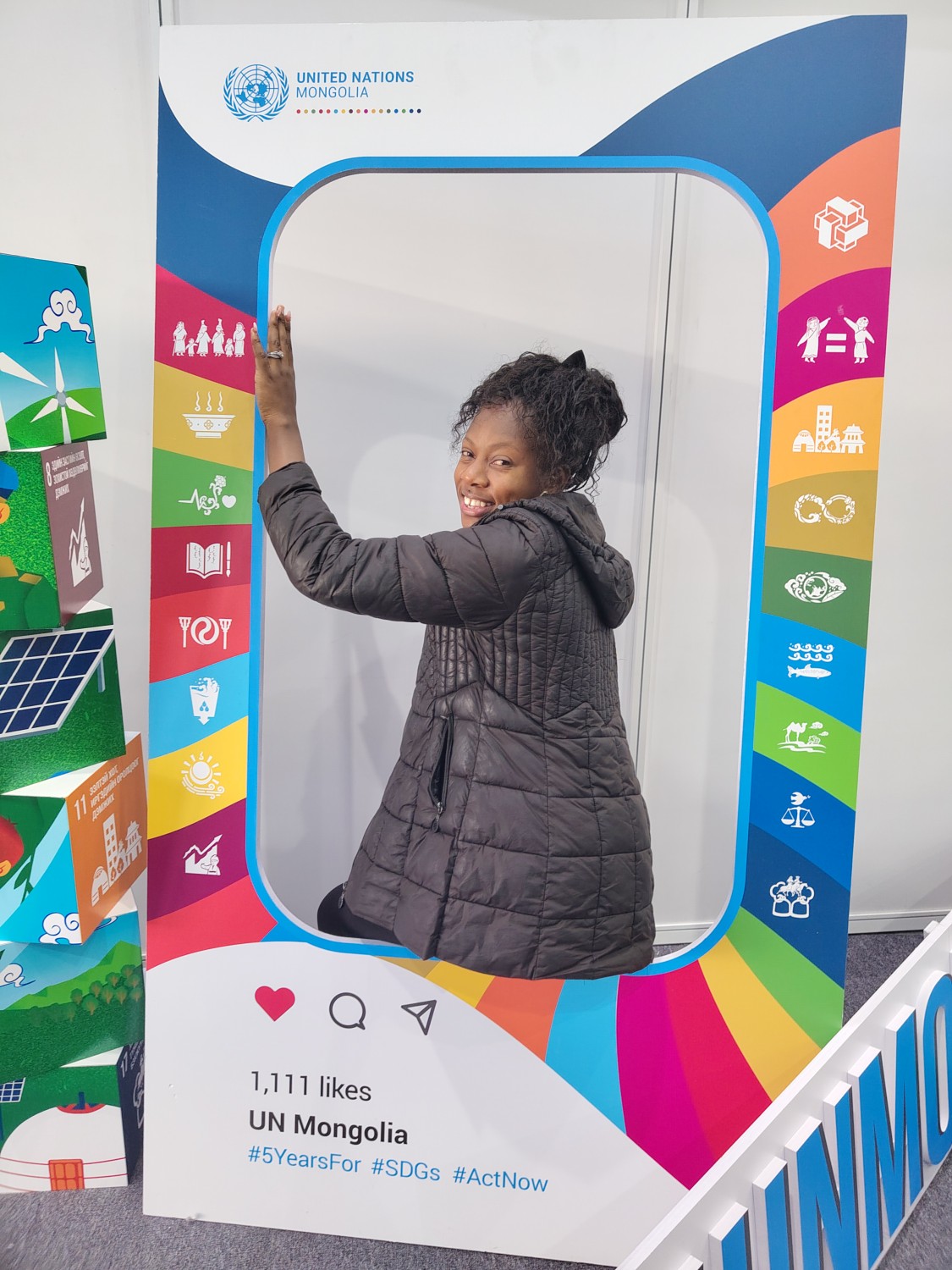
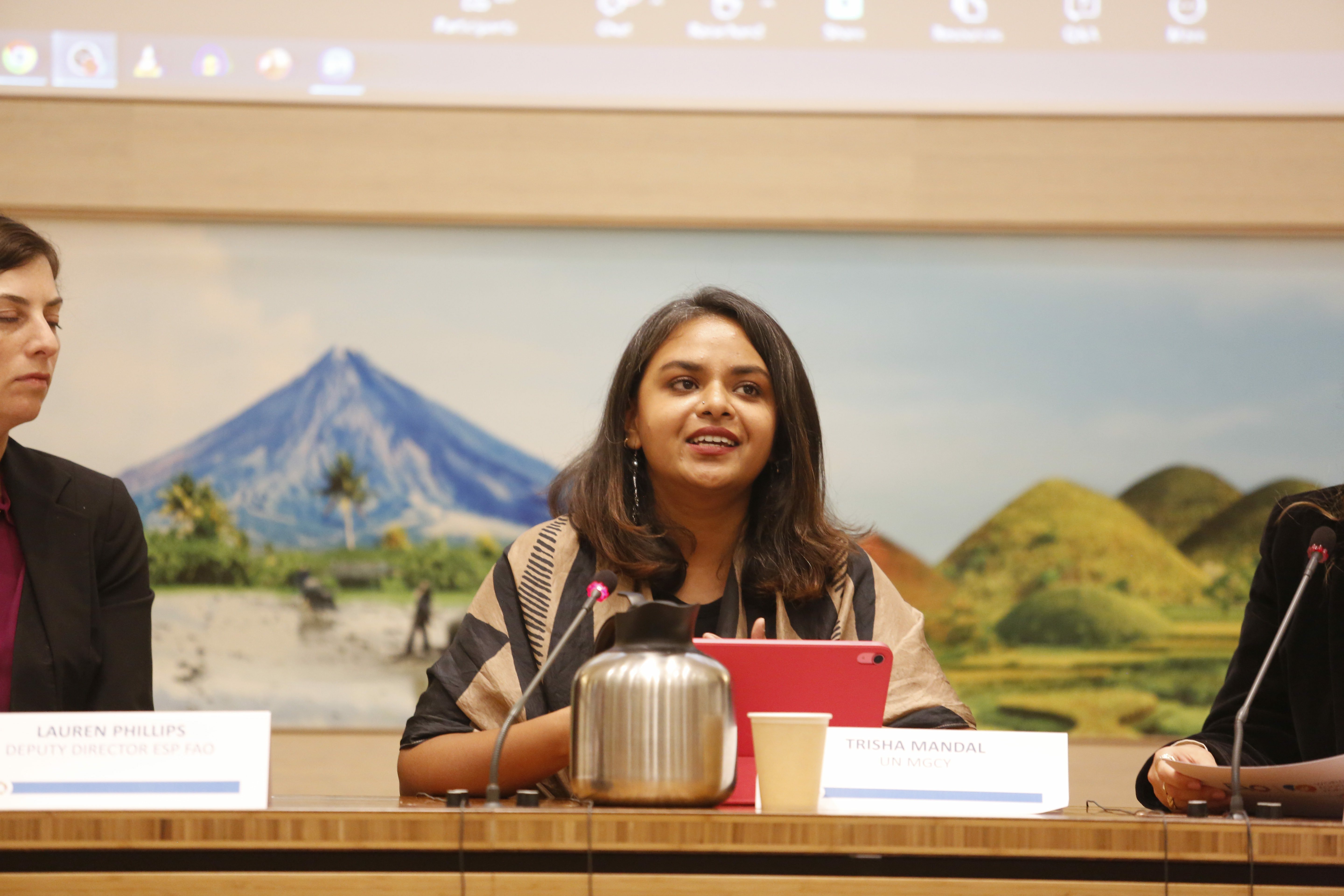
The engagement of youth through the PWG not only strengthens the quality and consistency of YPARD’s policy contributions, but also builds the professional skills of youth, equipping them to engage confidently in complex policy fora.
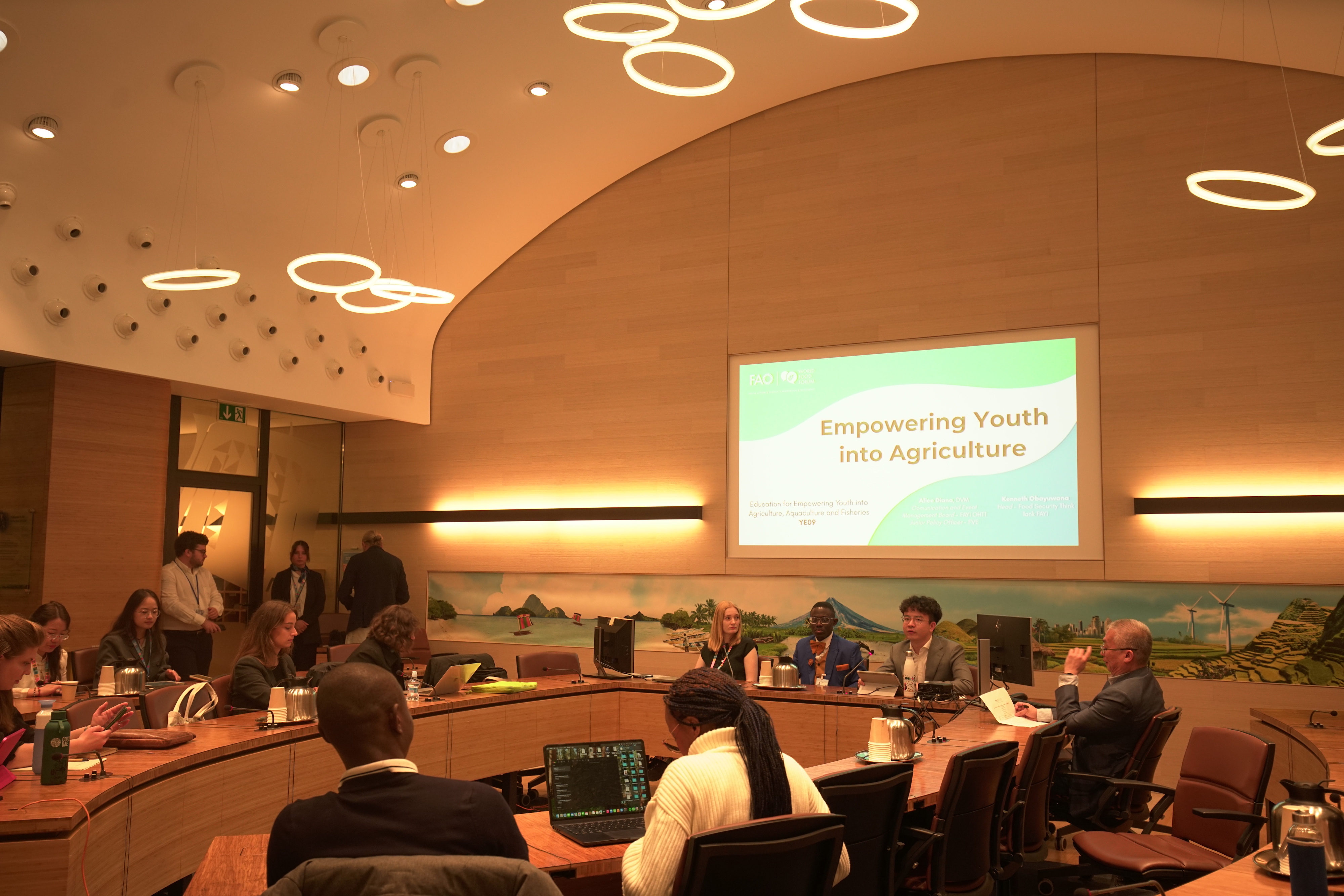
In 2025, the YPARD Global PWG continued its work with 80+ members and dedicated co-leads guiding key thematic areas. These member-sected focal points, who are mentored by the YPARD GCU to facilitate group discussions, consolidating policy inputs, refining position papers, coordinating submissions to global processes and side events.
Co-leads 2025: UNFCCC processes (Jane Otieno and Michelle Bidima), Rural Youth Employment (Khalif Ochieng andDebora Kasale), Just Transition ( Juliana Lanyero and Bebel Nguepi), and Agroecology (Mukhlish Jamal and Pidikiti Pavithra).
Open to all interested members, the group brings together young professionals to buildtheir understanding of food and agriculture policy while contributing to YPARD’s global advocacy. Through structured working methodsand a strong emphasis on collective consensus-building, the group develops andrefines YPARD’s policy positions across majorinternational processes.

.png)
.JPG)
Below are a list of key position papers co-created by the YPARD PWG/members and youth statements with PWG contributions.
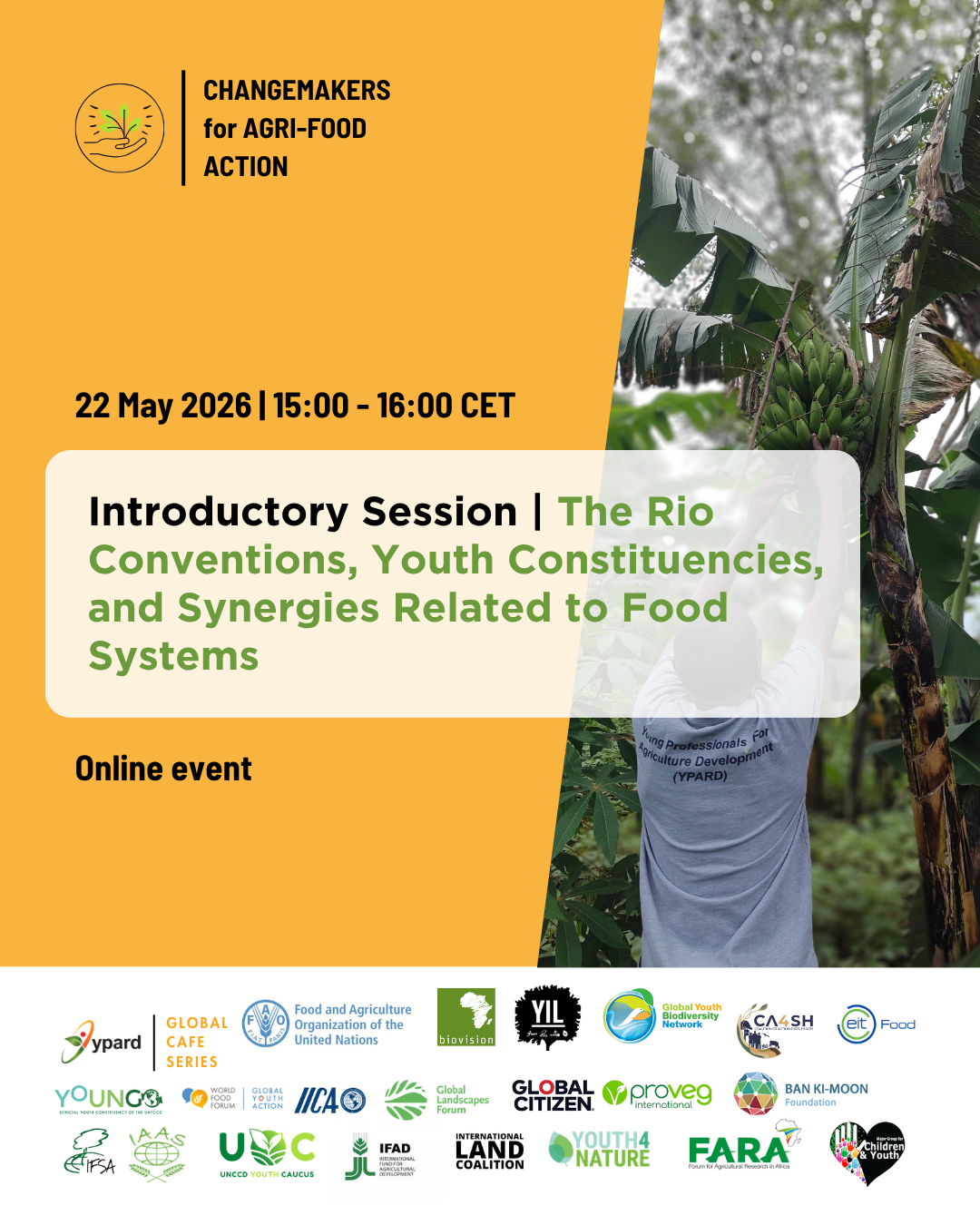
Changemakers for Agri-Food Action is a series of capacity building sessions for policy enthusiasts.
The sessions are in the format of online webinars that YPARD launched in 2024. The aim of the series is to equip youth movements, including members of the YPARD Policy Working Group, with the tools, resources, and strategic knowledge needed to participate effectively in major international political processes.
This webinar series is organized in collaboration with:
YPARD, FARA, IICA, Biovision Foundation, IAAS, IFSA, FAST, IFAD, YIL, GLF,FAO OCB, GYBN, UNCCD Youth Caucus, YOUNGO Food and Agriculture Working Group, MGCY, Youth4Nature, CA4SH Coalition, World Food Forum, ProVeg, EIT Food, Banki Moon foundation, Global Citizen,and International Land Coalition.
Prior to the launching of this series, YPARD has collaborated with partners like FAO and YOUNGO on other versions of capacity building for youth interested in policy and advocacy.
Conventional food production contributes to greenhouse gas emissions, threatens biodiversity and the health of ecosystems, and is directly linked to land degradation. In this regard, fragmented solutions must be avoided.
Furthermore, this series strengthens youth participation in global political forums by equipping young professionals with practical skills in advocacy, knowledge-sharing, and partnership-building within the context of key international negotiations, as well as ways to translate global decisions into local action and integrate them at the national level.The sessions will feature expert speakers, activists, youth rights advocates, and representatives from key global institutions, which will help young leaders make our voices heard in multilateral forums.
The series will address specific topics, such as the role of the various conventions and their secretariats, including bodies such as the SBs and COPs, with a particular focus on the synergies among them, especially their connection to agrifood systems. It will also explore the role of youth constituencies and the mechanisms available for youth participation and advocacy at the national and international levels.
Learn more about the series here.
From global summits to national dialogues, the network aims to ensure that young professionals are not only represented, but are actively shaping policies, investments, and solutions for sustainable and inclusive foodsystems.
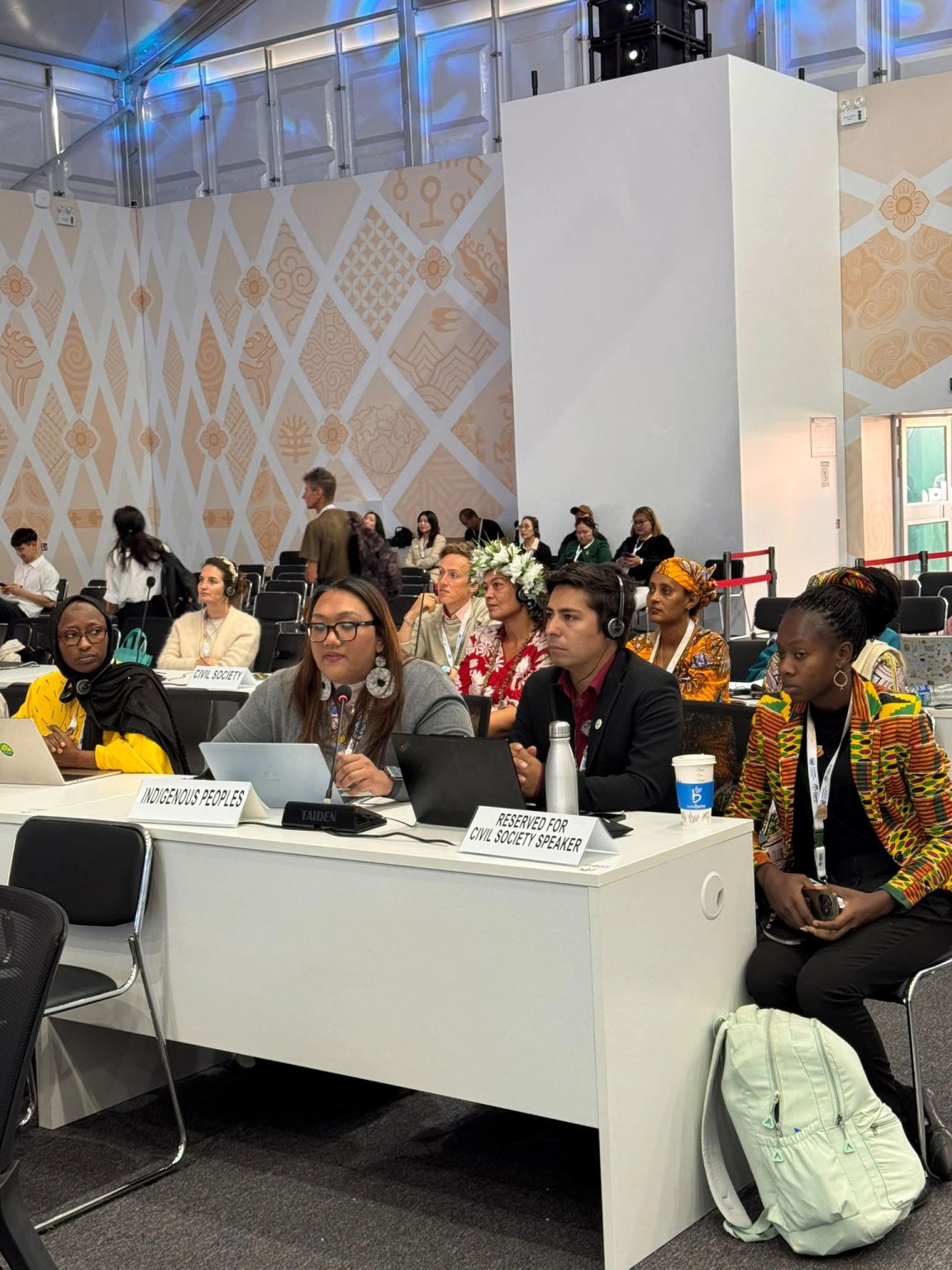
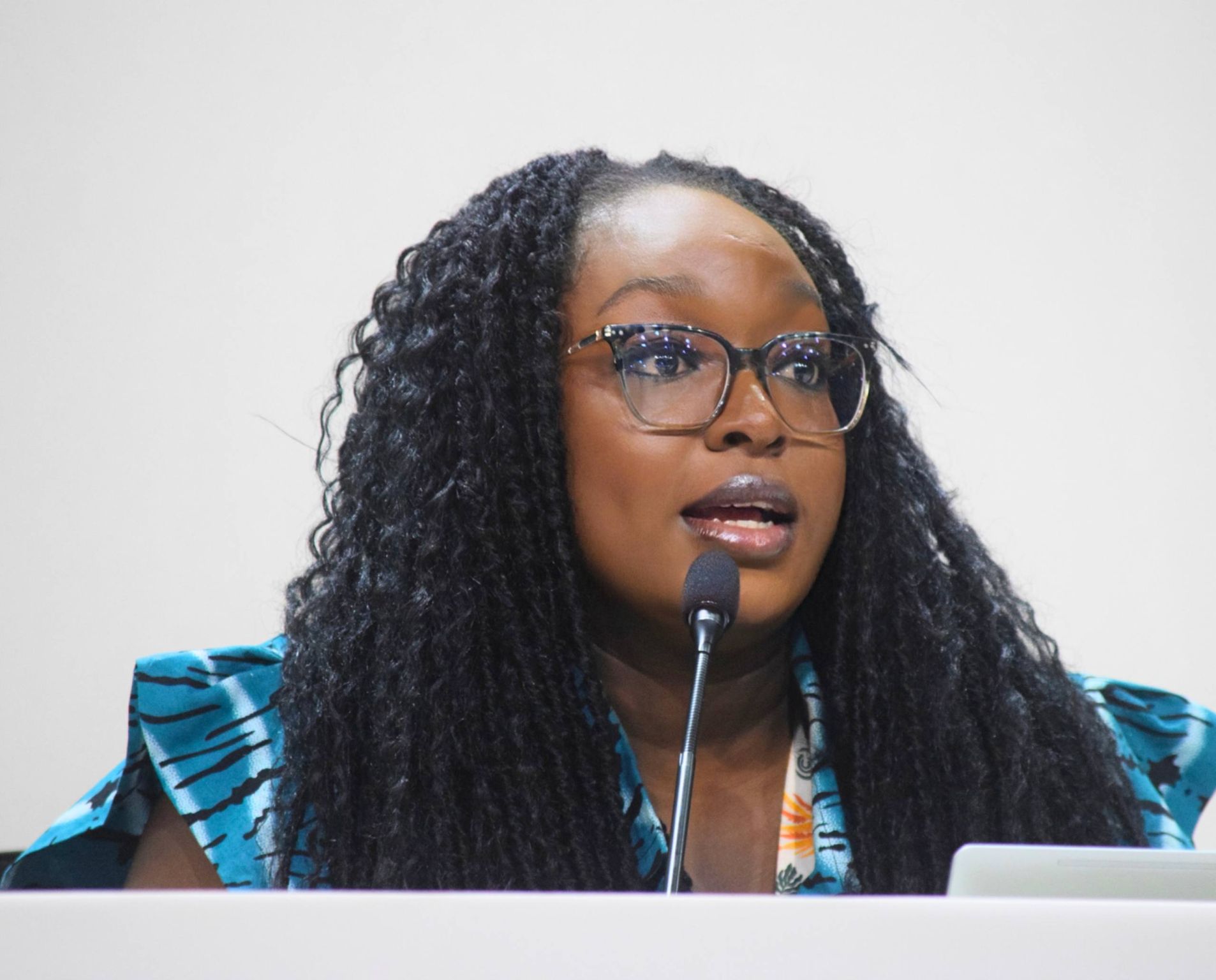
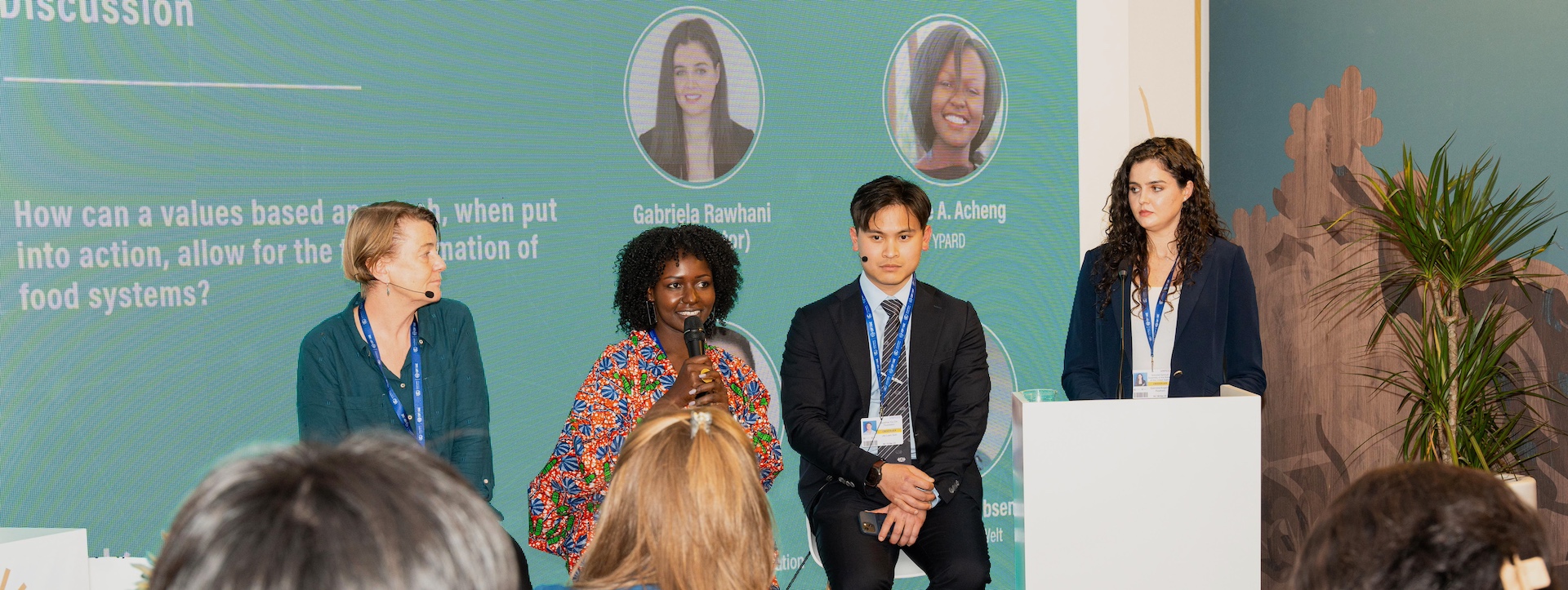
Members of the YPARD PWG as well as of different Country Chapters, Regional teams, and the GCU use these policy platforms to advocate for key messages co-created by the PWG.