
Held from 30 May to 6 June 2026 in Samarkand, Uzbekistan, the 8th Global Environment Facility (GEF) General Assembly brought together more than 2,000 participants from governments, international organizations, civil society, Indigenous Peoples and local communities, youth organizations, development partners, financial institutions, and the private sector to shape the future of global environmental action. Convened under the theme “A Healthy Planet Makes Lasting Development Possible,” the Assembly announced the $3.9 billion GEF-9 replenishment as well as the Small Grants Programme CSO Challenge Program, and provided a platform for stakeholders to exchange ideas, forge partnerships, and accelerate collective action towards achieving the 2030 global environmental and sustainable development goals.
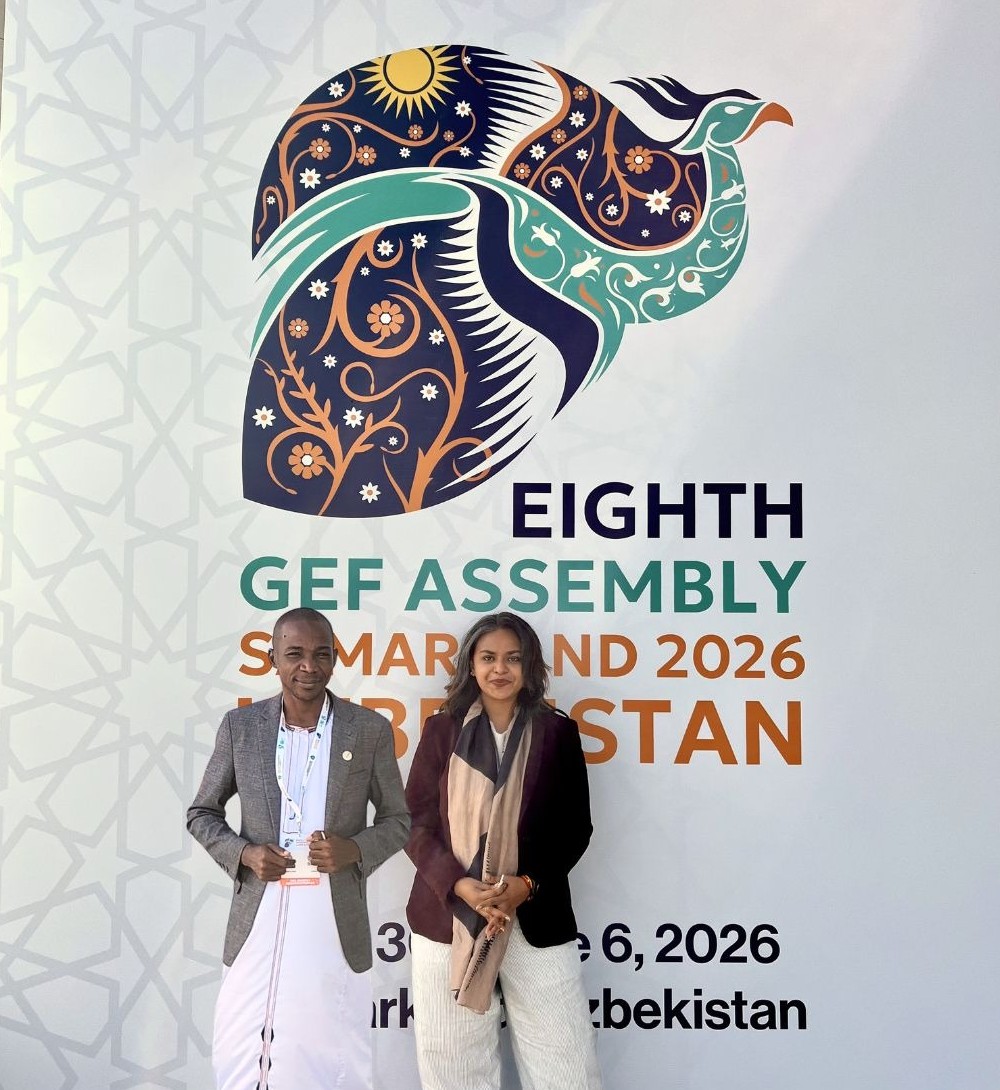
Represented by Ajuna Tadeo (Programme Coordinator) and Trisha Mandal (Partnerships and Communications Manager), the team highlighted the co-development of the FSIP Global Youth Strategy and the EYAAS training modules by YPARD along with FAO and IFAD as examples of how youth-led organizations can be involved at programme design level. Through its contributions to various sessions and dialogues, they demonstrated how empowering young people as leaders, innovators, and decision-makers can accelerate the transition towards more sustainable, resilient, and inclusive agrifood systems, while informing the design and implementation of the next phase of GEF programming under GEF-9.
Represented by Programme Coordinator Tadeo Ajuna and Partnerships & Communications Manager Trisha Mandal, YPARD actively engaged throughout the Assembly through multiple speaking engagements, bilateral meetings, and participation in a range of side events and learning sessions.
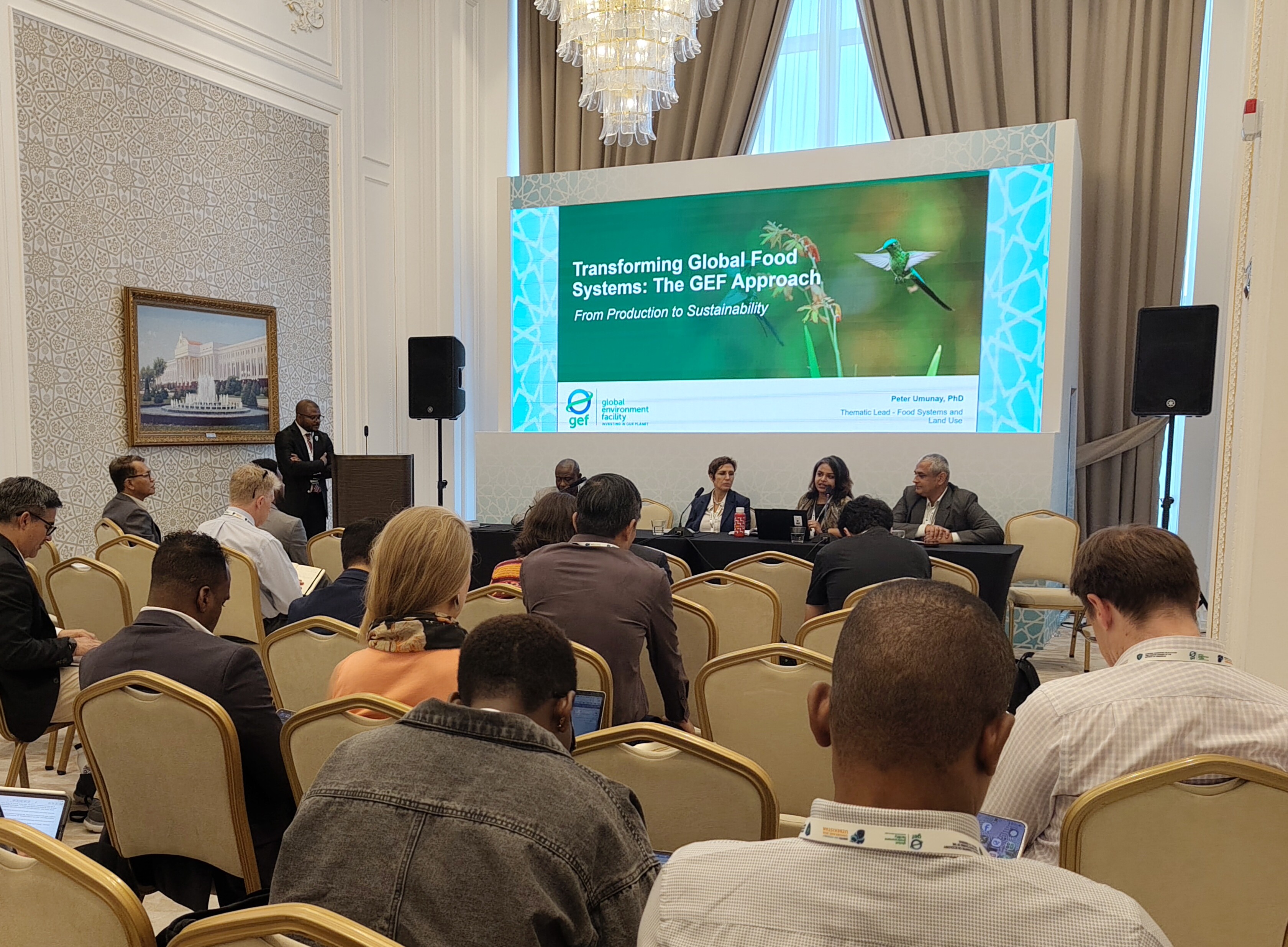
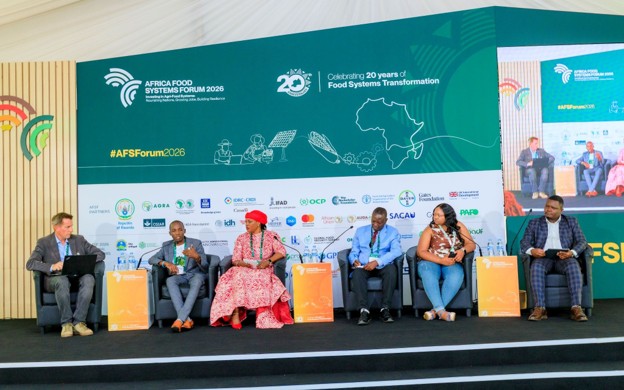
YPARD contributed to the Food Systems Integrated Programme (FSIP) Learning Station Panel Discussion on “Best Practices in Food Systems Transformation”, which brought together representatives from international organizations, the private sector, development agencies, and youth networks to explore practical pathways for sustaining and scaling food systems transformation under the next phase of GEF programming.
The discussion focused on identifying the enabling conditions and transformational levers needed to accelerate the transition toward more sustainable, resilient, and inclusive food systems. Panelists examined issues ranging from sustainable livestock production and regenerative agriculture to private-sector investment, value chain development, employment creation, and youth engagement.
Representing the youth constituency, Trisha Mandal highlighted the indispensable role of young people in achieving meaningful food systems transformation. Drawing on YPARD's nearly two decades of experience working with youth across more than 70 countries, she emphasized that sustainable transformation cannot be achieved without actively engaging young people as partners and leaders.
Trisha stressed that food systems initiatives must move beyond approaches that merely target youth as beneficiaries and instead adopt a "with youth, not just for youth" approach, citing YPARD’s partnership with the Food Systems IP as a tangible example of inclusive program design. The FSIP Global Youth Strategy was designed by youth for youth, identifying two key transformational levers for future programming: meaningful youth participation in food systems governance and policy processes, and the creation of green and blue decent employment opportunities for young women and men.
Trisha thus called for the meaningful inclusion of young people throughout project cycles from design and implementation to monitoring and decision-making, while recognizing the contributions already being made by youth-led organizations and young innovators despite limited resources. The discussion also explored how green and blue jobs can be integrated into food systems programming in a measurable manner.
Trisha highlighted the importance of tracking youth-specific outcomes through indicators that measure improvements in livelihoods and employment. She welcomed the inclusion of youth-disaggregated indicators within the GEF-9 Results Framework, including measures related to improved livelihoods and the adoption of agroecological and regenerative practices by food producers.
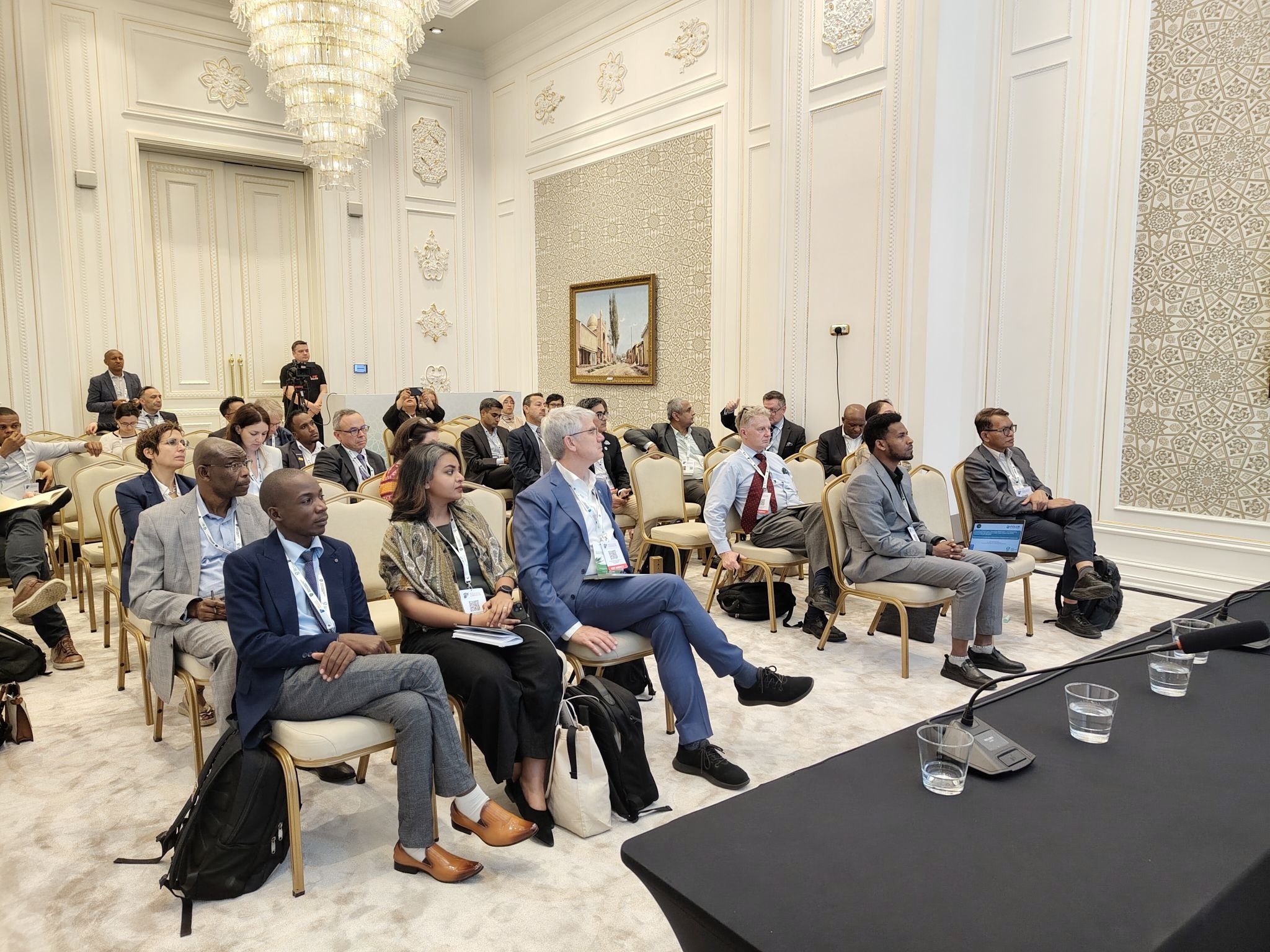
Other panelists shared complementary perspectives on the need for enabling policies, targeted public investment, sustainable value chains, and stronger partnerships between governments, the private sector, financial institutions, and local communities. Discussions underscored the importance of creating incentives that reward sustainable production practices while strengthening market opportunities and investment confidence.
The Learning Station demonstrated growing recognition across the GEF partnership that youth engagement is not a peripheral issue but a central pillar of food systems transformation. As countries prepare for the implementation of GEF-9 programmes, participants agreed that investing in youth leadership, decent employment, entrepreneurship, and meaningful participation will be critical to building resilient agrifood systems capable of delivering environmental, economic, and social benefits for generations to come.
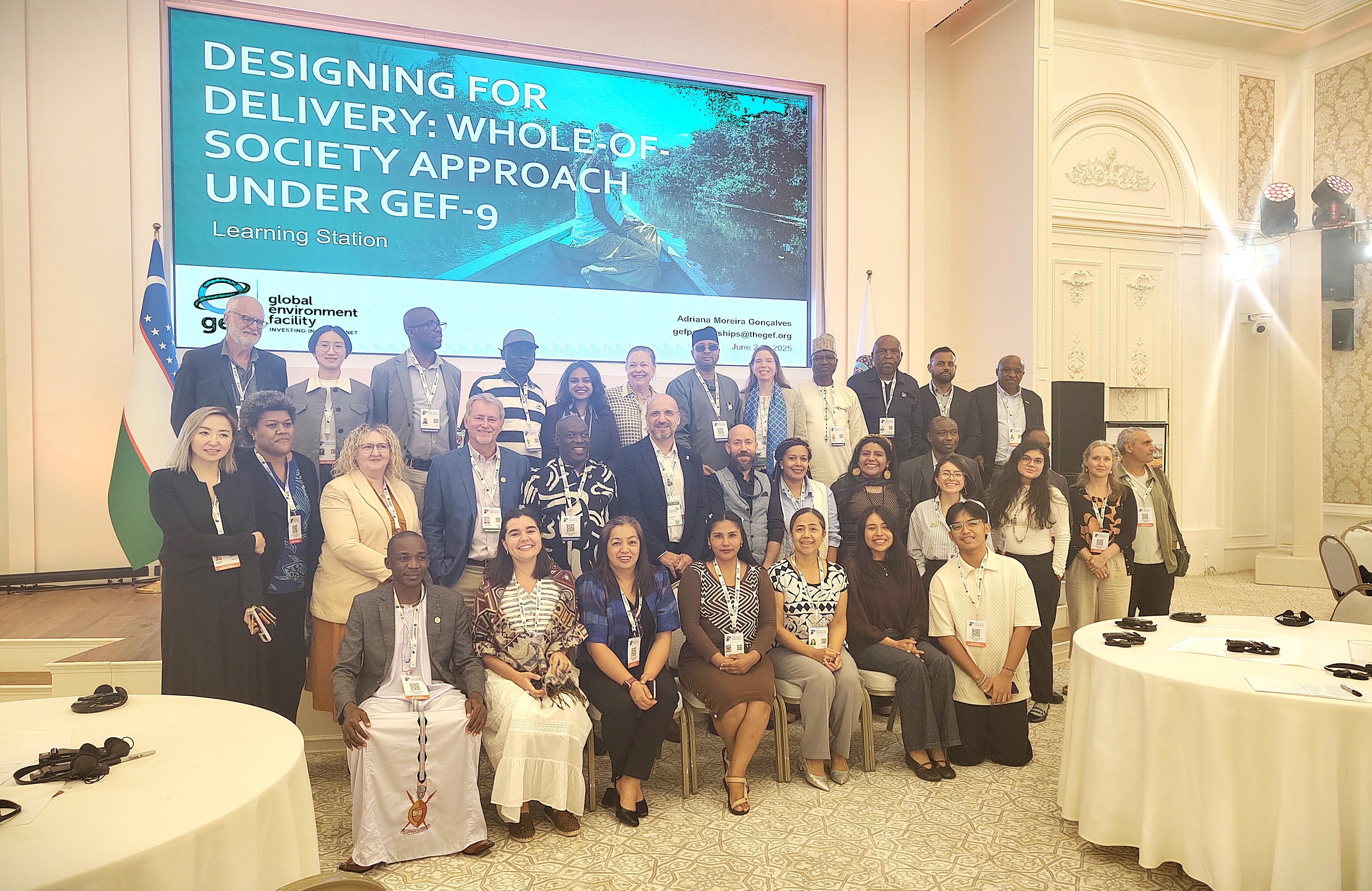
At the side event titled “From GEF-8 to GEF-9: Youth Perspectives on Shaping the Next Cycle of GEF Programming,” held under the theme “Leaving No One Behind: Civil Society, Women, and Indigenous Peoples,” YPARD highlighted the critical role of youth in advancing global biodiversity and sustainable development goals.
Drawing attention to the Global Biodiversity Framework's emphasis on whole-of-society engagement, Trisha underscored the unique contributions that young people are already bringing to biodiversity conservation and sustainable food systems transformation. Highlighting the work being done to address capacity building, she mentioned the Empowering Youth for Agroecological Transformation in Agrifood Systems (EYAAS) training programme, which has been developed by YPARD under the Food Systems Integrated Program (FSIP), coordinated by FAO and IFAD, and designed to equip young people with agroecology knowledge, practical tools, and leadership competencies to support sustainable, inclusive, and regenerative agrifood systems.
Furthermore, initiatives like YPARD Colombia's Agrobiodiversity schools, YPARD Peru's Rural Agroecology Schools, and the sustained work of partners like Global Youth Biodiversity Network (GYBN), YOUNGO, and UNCCD Youth Caucus were presented as tangible contributions that young people are bringing to the table. Trisha urged stakeholders to take note of scaling such initiatives through the next cycle of GEF programming. She also welcomed the progress made in the GEF-9 Results Framework, particularly the inclusion of youth-disaggregated biodiversity indicators, and called upon GEF Agencies to actively utilize these people-centered indicators and encouraged the GEF Secretariat to monitor their adoption and implementation across programmes. Emphasizing that young people are already leading innovative and sustainable solutions in their communities despite limited resources, she stressed that greater and more meaningful inclusion of youth in programme design and implementation could significantly amplify impact.
Organized by the International Union for Conservation of Nature (IUCN), this session brought together policymakers, development partners, financial institutions, farmer organizations, Indigenous Peoples, private sector actors, and civil society representatives to discuss how regenerative agriculture can support the transformation of food systems while addressing some of the world's most pressing environmental challenges. Speakers highlighted regenerative agriculture, grounded in agroecological principles, as a promising pathway for restoring ecosystem health, improving soil fertility, enhancing biodiversity, strengthening climate resilience, and supporting sustainable livelihoods. However, despite growing interest and investment, efforts to scale regenerative agriculture remain fragmented due to differing definitions, frameworks, and measurement approaches. The event therefore explored how the Regen10 Outcomes Framework could serve as a shared reference point for aligning policy, finance, implementation, and investment around common ecological, economic, and governance outcomes.
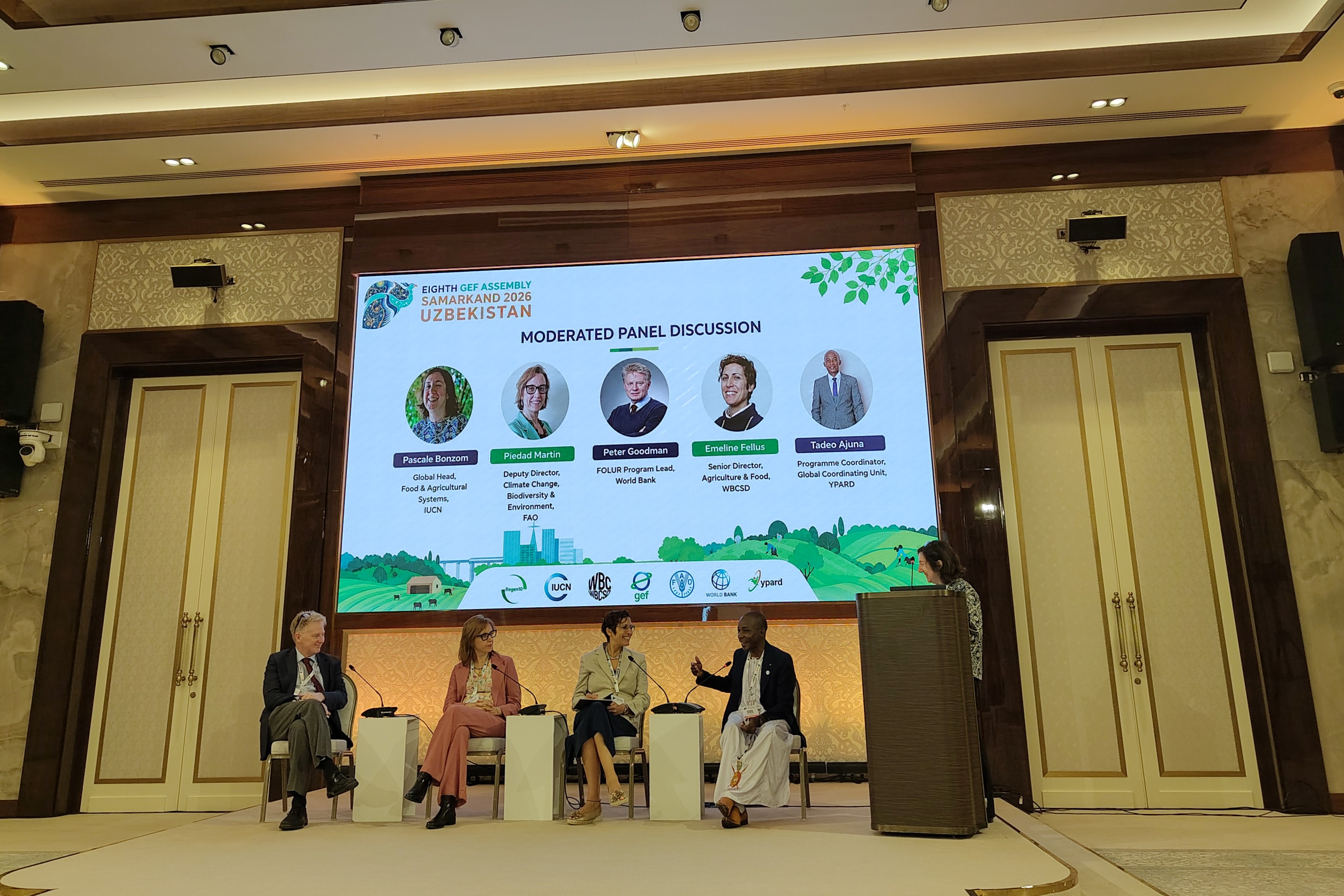
Representing YPARD, Programme Coordinator Tadeo Ajuna contributed to the panel discussion on "Youth and Producer Perspectives: Inclusion, Viability and Next-Generation Leadership." Tadeo emphasized that young people must be recognized not only as beneficiaries but as key drivers of regenerative agrifood systems transformation. Drawing from his own journey as a farmer and youth leader, Ajuna reflected on how agriculture shaped his life from childhood, financed his education, and inspired his professional commitment to agricultural development.
Addressing the question of what is needed to make regenerative agriculture viable, attractive, and scalable across generations, Ajuna highlighted the importance of creating enabling conditions for youth engagement. He noted that despite growing interest among young people in sustainable agriculture, many continue to face significant barriers, including limited access to land, finance, markets, and technical knowledge. He stressed that knowledge gaps remain particularly acute, with many young people unaware of training opportunities, agricultural innovations, research resources, and support programmes available to them.
Ajuna further observed that current policy, finance, and market systems often fail to adequately support producer-led and youth-driven transitions. Regenerative agricultural practices frequently require long-term investments and may not generate immediate returns, yet financing mechanisms often favor short-term outcomes. Similarly, markets rarely reward farmers for the environmental and social benefits generated through regenerative practices, reducing incentives for adoption. Encouraging young people to view agriculture as a viable business and investment opportunity, Ajuna emphasized the need for passion, patience, innovation, and informed decision-making. He called for stronger investments in youth-responsive policies, accessible financing, capacity-building initiatives, mentorship programmes, and market incentives that can empower the next generation of farmers and Agripreneurs to lead food systems’ transformation.
The event concluded with a shared recognition that regenerative agriculture offers a practical pathway toward healthier ecosystems, resilient food systems, and sustainable livelihoods, but that realizing its full potential will require greater alignment across policy, finance, implementation, and community-led action.
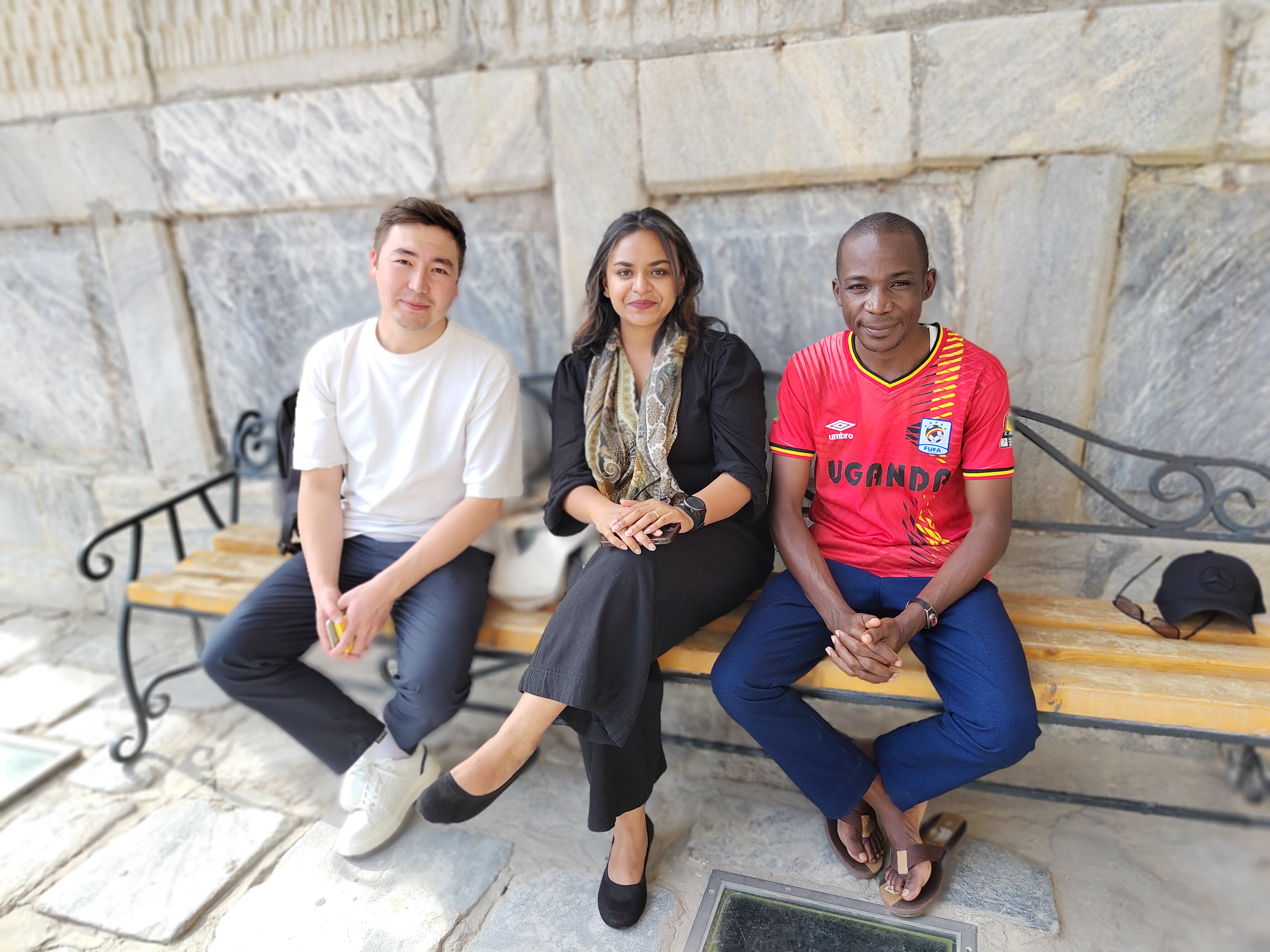
At the sidelines of the GEF Assembly, the YPARD team visited the Eco Expo Central Asia 2026 held at Silk Road Samarkand in Uzbekistan. The exhibition showcased Central Asia’s growing commitment to a low-carbon and climate-resilient future. Across the exhibition halls, they explored over 16 thematic sectors ranging from renewable energy, sustainable agriculture, green finance, water technologies, eco-tourism, and circular economy solutions to cutting-edge innovations in AI for environmental monitoring and smart green cities. A key highlight was the strong presence of global institutions such as UNEP, FAO, GEF, GIZ, IUCN, and other partners.
While at the assembly, the YPARD delegation had the pleasure to meet the YPARD Uzbekistan Country Representative Nuriddin Samatov. Together they discussed the future direction of YPARD Uzbekistan, and how it could be plugged into regional and global initiatives that foster young people to engage in the agricultural sector in Uzbekistan.
The team had a pleasure to engage in several bilateral meetings during the visit to foster sustained collaboration with various partners. Discussions with FSIP/FAO representatives including Hernan Gonzalez and Maude Veyretpicot, UNCCD’s Juliet Grace Luwedde, and Pascale Bonzom from IUCN were among some of the key discussions the team had. YPARD members also engaged in the CSO Forum at the Assembly where impactful pathways for CSO engagement was discussed.They also contributed to the CSO booth at the Exhibition Centre of the Assembly, to promote the work of the CSO network.
.png)
At Samarkand, representatives representing various civil society organizations highlighted the impactful work that many communities on the ground are already leading through various GEF programmes, and how these can be scaled. We welcome the commitment of the GEF to include youth at greater levels of program implementation, and look forward to how this can be taken forward at various country levels.
.png)